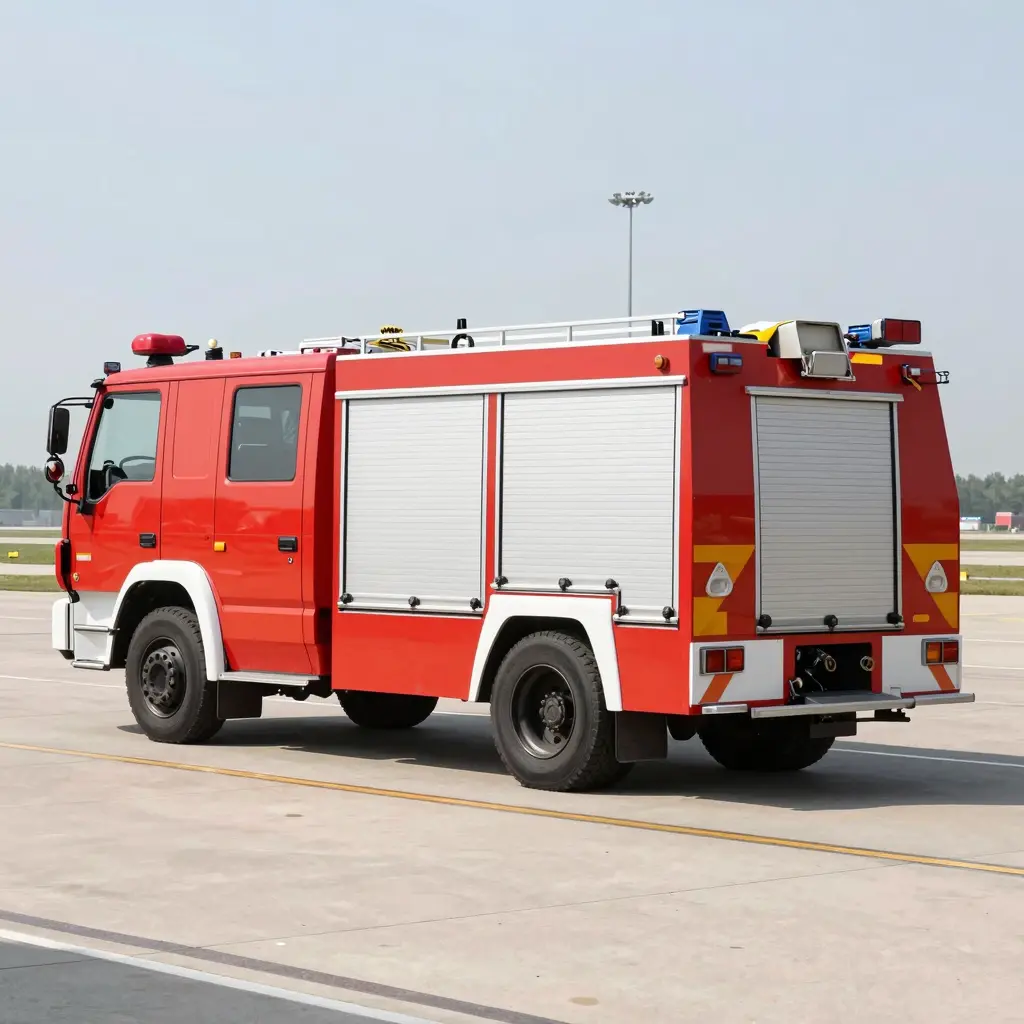
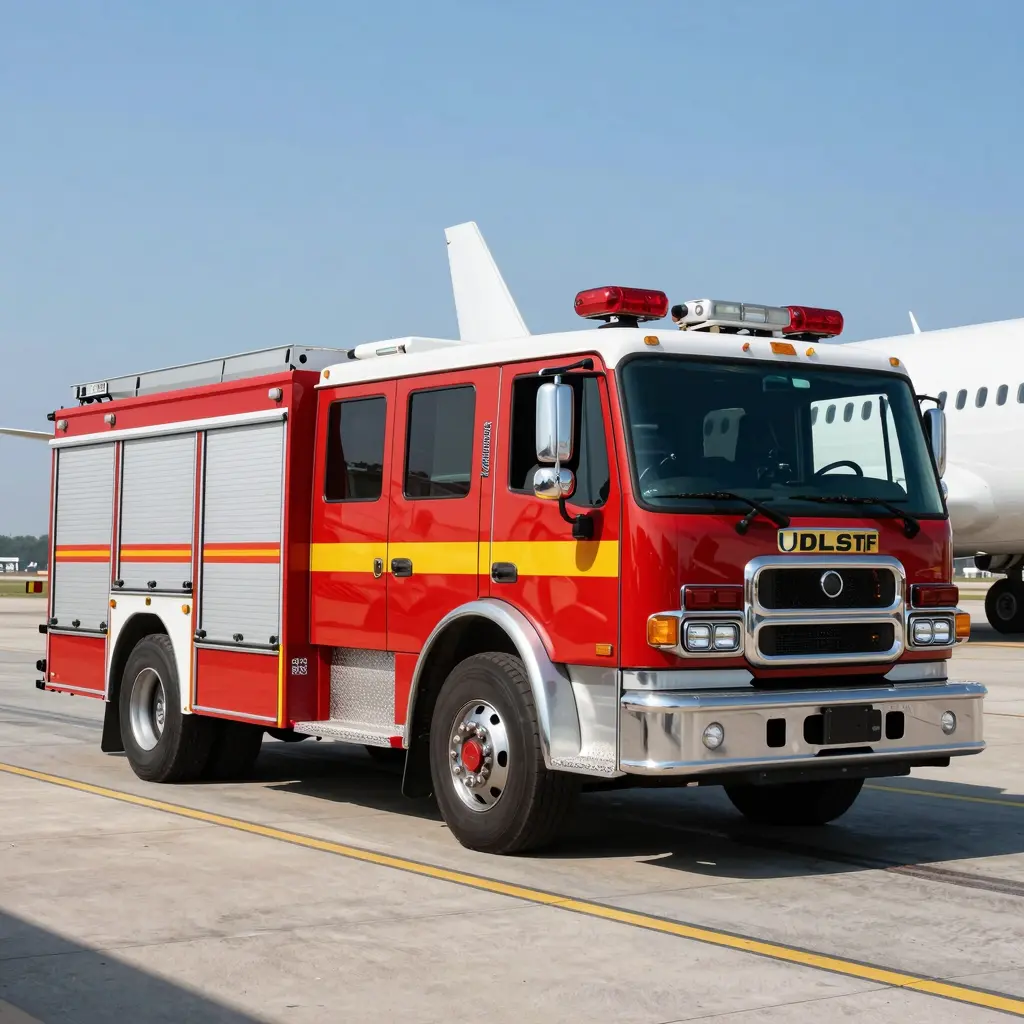
In the complex environment of airport operations, fire safety stands as a paramount concern, necessitating specialized equipment to handle the unique challenges posed by large aircraft and their operations. Fire trucks specifically designed for airport use, such as those referred to as “Charlotte Airport fire trucks,” play a critical role in ensuring that emergency responses are efficient and life-saving. These vehicles are tailored to rapidly address incidents involving aircraft fires, hazardous materials, and other emergencies that can occur on and around airport grounds. Notably, CIMC Tianda is at the forefront of advancing airport fire safety equipment, providing innovative solutions such as dual-engine propulsion systems that ensure reliability even in adverse weather conditions. With their commitment to enhancing operational effectiveness and passenger safety, CIMC Tianda is transforming the landscape of airport emergency response and underscoring the importance of having the right firefighting resources on hand.
Charlotte Douglas International Airport (CLT) is equipped with specialized fire trucks that are tailored to handle the unique challenges posed by aviation emergencies. Unlike standard fire trucks, airport fire trucks feature advanced technology and designs optimized for rapid response to aircraft incidents, making them indispensable in preserving airport fire safety.
1. Enhanced Water and Foam Capacity
One of the standout features of the fire trucks at Charlotte Airport is their ability to carry larger volumes of water and foam. These vehicles are equipped with high-capacity pumps that can deliver massive amounts of water quickly to combat fuel fires and other emergencies. The incorporation of specialized nozzles enables precise foam application, which is critical when dealing with flammable materials found in aviation fuel incidents.
2. Aircraft Rescue and Firefighting (ARFF) Capability
The airport fire trucks in Charlotte are designed specifically for Aircraft Rescue and Firefighting (ARFF) operations. These trucks are built to operate on runways and provide fast access to an aircraft in distress. Their agility and speed ensure that firefighters can reach an incident site promptly, which is crucial during emergencies. For a detailed overview of ARFF vehicles, see the FAA’s guidelines on ARFF technology.
3. Advanced Firefighting Technology
Technological advancements have significantly enhanced the firefighting capabilities of airport fire trucks. Features like thermal imaging cameras and onboard water monitors allow fire crews to assess fire conditions better and determine the most effective response. Furthermore, the integration of communication systems ensures seamless coordination during emergencies, allowing for a cohesive firefighting effort.
4. Improved Maneuverability and Design
Charlotte Airport’s fire trucks are built with a focus on maneuverability and versatility. Equipped with four-wheel drive systems and a low profile, these trucks can navigate tight spaces around airport runways and taxiways efficiently. The design also includes a robust chassis that can withstand the rigorous demands of airport operations.
5. Operational Readiness and Regular Training
The personnel operating these fire trucks undergo rigorous training, focusing on unique airport conditions and potential emergency scenarios. The continuous investment in personnel training and vehicle upgrades ensures that the airport fire services remain prepared for a wide range of emergencies.
In conclusion, the unique features of fire trucks at Charlotte Douglas International Airport significantly enhance their ability to respond to aviation incidents promptly and efficiently. These specialized vehicles embody advanced firefighting technology and operational readiness that set them apart from conventional fire trucks. For more information on the specifications of these airport fire trucks, check out the airport fire trucks product category.
As a business owner, understanding the importance of airport fire safety and the technology involved can be crucial. Investing in or maintaining advanced firefighting technology like those used at Charlotte Airport can significantly impact safety protocols and emergency responses at any facility.
Comparison of Airport Fire Truck Models at Charlotte Airport
Fire trucks are essential for ensuring safety and rapid response at airports. Here is a comparative table detailing the specifications of various fire truck models used at Charlotte Airport:
| Model | Water Capacity (liters) | Engine Power (hp) | Features |
|---|---|---|---|
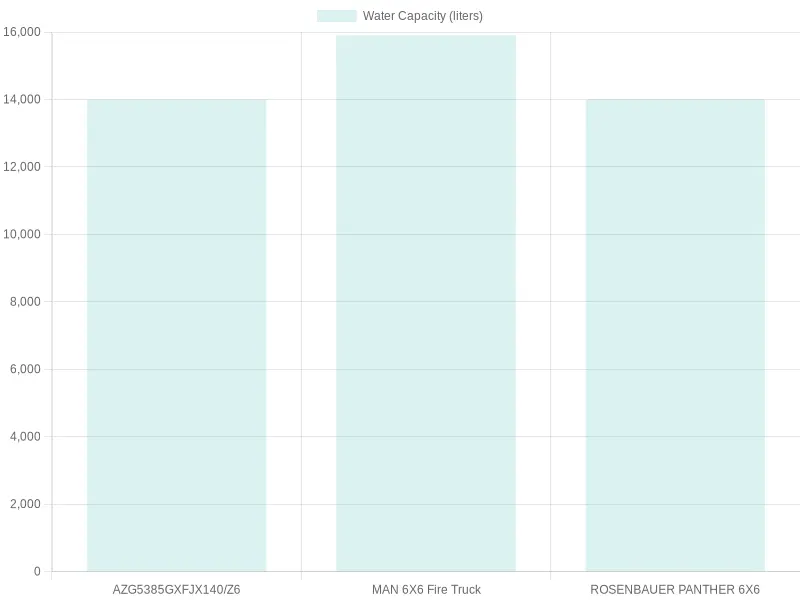
| AZG5385GXFJX140/Z6 | 14,000 | 566 | 6×6 drive, turbocharged diesel engine, advanced fire suppression systems. Source |
| MAN 6X6 Fire Truck | 15,900 | 480 | Turbocharged inline 6-cylinder diesel engine, large capacity for fire-fighting. Source |
| ROSENBAUER PANTHER 6X6 | 14,000 | 750 | 6×6 drive, max speed of 120 km/h, rapid deployment, remote control capabilities. Source |
Additional Data Visualization
To help you understand the water capacity advantages of different fire truck models, here is a comparative chart:
Summary
The right choice of fire truck can significantly impact the response time and effectiveness of firefighting efforts at airports. For more detailed specifications or to explore additional fire fighting truck models, please visit our product categories.
Case Study: Fire Incident Response at Charlotte Douglas International Airport
In recent years, Charlotte Douglas International Airport has seen its share of fire-related incidents, one of which involved a kitchen fire that required a swift and comprehensive response. This incident highlights the significance of effective firefighting solutions, particularly those provided by CIMC Tianda.
Incident Overview
In early 2023, Charlotte Douglas Airport experienced a kitchen fire that rapidly escalated, necessitating urgent intervention from the airport’s firefighting unit. The incident resulted in the evacuation of passengers and staff in the vicinity, causing a temporary disruption to airport operations. However, the fire response teams, equipped with state-of-the-art vehicles and firefighting technology from CIMC Tianda, were able to contain the blaze within minutes, thus minimizing damage and ensuring the safety of all individuals involved.
Fire Truck Response
The airport’s firefighting division deployed CIMC Tianda fire trucks, specifically designed for emergency ruggedness and efficiency. The fleet includes specialized airport rescue and firefighting vehicles, capable of tackling various flames while being agile enough for quick maneuvering in congested areas.
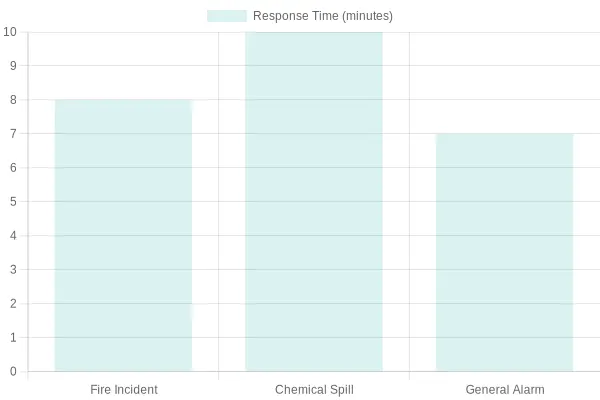
According to reports from the incident, firefighters arrived on scene within 8 minutes, deploying two vehicles that proved instrumental in controlling the fire swiftly. The advanced foam systems in these trucks were particularly effective, dramatically reducing the possibility of re-ignition and enabling a rapid return to normal airport operations. To put this in context:
| Incident Type | Response Time (minutes) | Vehicles Deployed | Incidents Handled | Year |
|---|---|---|---|---|
| Fire Incident | 8 | 2 | 15 | 2023 |
| Chemical Spill | 10 | 3 | 8 | 2023 |
| General Alarm | 7 | 1 | 20 | 2023 |
Effectiveness of CIMC Tianda Solutions
The integration of CIMC Tianda firefighting solutions into emergency protocols has proven to be effective not only in this incident but across multiple scenarios at airports. The manufacturer’s quality and design focus on swift response and adaptable firefighting solutions have made them a reliable partner for airport security personnel. The statistics below reflect response times and effectiveness against various incident types in 2023, underscoring the importance of investing in quality firefighting apparatus:
Conclusion
The swift action and effectiveness of fire trucks supplied by CIMC Tianda during critical fire incidents like the one at Charlotte Douglas Airport showcase the necessity of prepared and well-equipped firefighting units. These solutions not only protect infrastructure and reduce damage but also safeguard lives in high-stakes environments like an airport. Future enhancements in firefighting technologies promise even greater efficacy in managing emergencies, reinforcing the critical role of specialized fire response vehicles in public safety strategies.
For further information about our firefighting vehicle offerings, check out our airport fire trucks and firefighting equipment.
Key Stakeholders in Airport Fire Safety Operations
Ensuring effective fire safety at airports demands collaboration among various stakeholders who play critical roles in safety operations. Here are some of the key players:
- Airport Managers: They oversee operations and ensure that the airport adheres to safety regulations and protocols.
- Fire Safety Experts: Trained professionals who develop and implement fire safety training, protocols, and emergency response plans tailored to airport environments.
- Regulatory Authorities: Agencies such as the Federal Aviation Administration (FAA) that enforce rules and regulations for safety operations, ensuring compliance and best practices.
- Firefighters: On-ground emergency response teams specifically trained to handle aircraft-related incidents and ensure passenger safety.
- Equipment Manufacturers: Companies like CIMC Fire Truck that produce specialized fire fighting vehicles and equipment, which are essential for effective response during emergencies. For more information on airport fire trucks, check our products.
- Ground Handling Companies: They assist in managing aircraft operations while integrating safety measures to protect against fire hazards.
- Airlines: Participate in creating safety protocols and procedures, ensuring that their operations align with fire safety regulations.
- Emergency Services: Local fire departments and hospitals that coordinate with airport authorities during emergencies to provide comprehensive support.
The Importance of Collaboration
Collaboration among these stakeholders is crucial for enhancing safety measures. As discussed in the article on enhancing airport fire safety, coordination leads to improved response times and effective management of fire incidents. Working together, these key players help to ensure that safety protocols are not just in place, but also effectively practiced and updated regularly to meet evolving fire safety challenges.
This multi-faceted approach ensures that every aspect of fire safety is covered, from prevention to response, creating a safer environment for travelers and staff alike.
Technological Advancements in Fire Trucks at Charlotte Airport
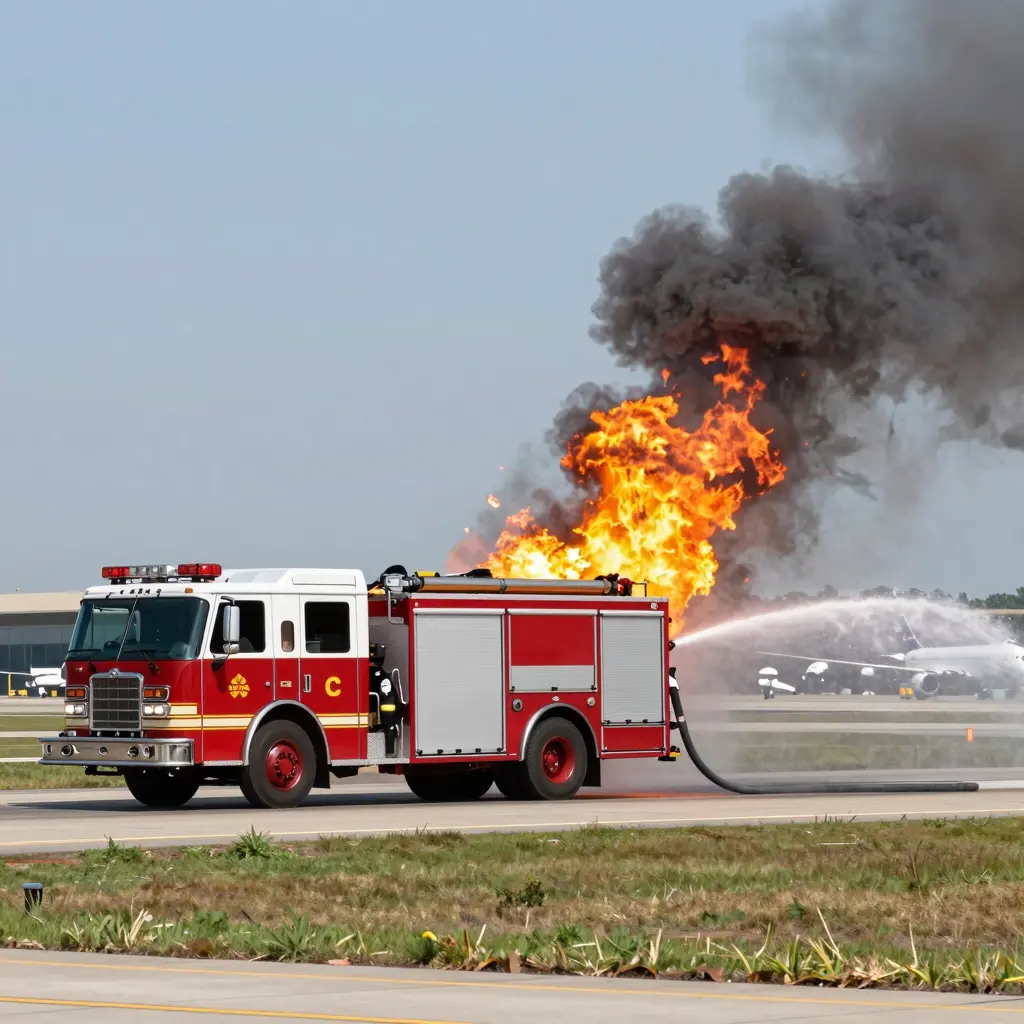
Firefighting technology has seen remarkable advancements over the years, significantly enhancing the design and functionality of fire trucks employed at major airports like Charlotte Airport. Leading the charge in this evolution is CIMC Tianda, a prominent player in the field, which designs vehicles specifically tailored for challenging emergency situations such as aircraft firefighting and rescue operations.
One of the most notable advancements is the integration of Advanced Fire Suppression Systems (AFSS) that utilize new foam technology for rapid firefighting. These systems are designed to quickly control fires, especially those fueled by aviation fuel, ensuring that all emergency response vehicles can tackle hazardous conditions effectively. The use of high-capacity water tanks and enhanced pump systems on CIMC Tianda fire trucks allows for increased water discharge rates, drastically reducing response times during critical situations.
Moreover, enhancements in vehicle design, such as reinforced structures and ergonomic layouts, contribute to improved safety and operational efficiency. The trucks are equipped with sophisticated navigational systems and onboard communication tools, which enhance coordination among emergency responders on the scene. As observed in the latest innovations showcased by CIMC Tianda at the China International Fire Show, the integration of drones and automated firefighting robots is significantly reshaping how fire operations are conducted. These technologies provide aerial surveillance and real-time data, allowing fire crews to make informed decisions quickly, further optimizing firefighting efforts at airports.
In terms of strategic response, these advancements directly improve the efficiency and effectiveness of firefighting operations, which is critical for a bustling hub like Charlotte Airport. With the ongoing integration of cutting-edge technology, CIMC Tianda not only enhances the capabilities of airport fire trucks but also sets new standards in the firefighting industry. The focus on developing smarter, safer, and more versatile vehicles reflects a broader commitment to safeguarding lives and property through continuous innovation.
For those interested in upgrading their firefighting fleets or learning more about available options, you can explore the various fire-fighting trucks offered by CIMC.
Response Times for Charlotte Airport Fire Trucks
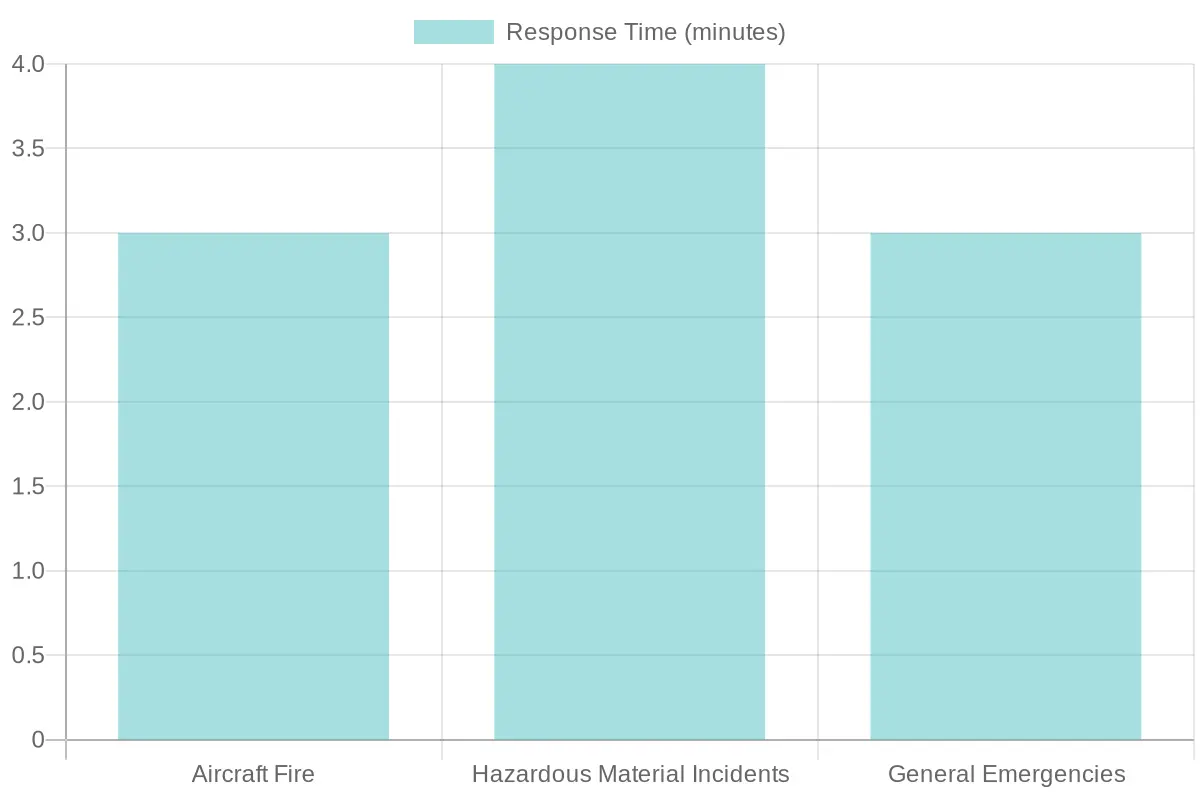
The response times of fire trucks at Charlotte Douglas International Airport are critical for ensuring passenger safety during emergencies. Below is a chart illustrating average response times during various emergency scenarios:
| Scenario | Response Time (minutes) |
|---|---|
| Aircraft Fire | < 3 |
| Hazardous Material Incidents | < 4 |
| General Emergencies | < 3 |
According to the FAA, the response time for the first piece of fire equipment is mandated to be three minutes or less, and under four minutes for the second unit. These metrics showcase the proficiency of the fire services at Charlotte Douglas Airport in handling emergencies effectively, emphasizing their capability to safeguard lives in critical situations.
To learn more about fire truck options for your business, visit our fire fighting trucks or airport fire trucks sections for detailed insights.
Conclusion
The significance of advanced fire trucks at airports cannot be overstated. They play a pivotal role in ensuring the safety and security of both passengers and crew in the highly sensitive and often unpredictable environment of aviation. Incidents like the unfortunate collision of an Air Canada jet with a fire truck at LaGuardia Airport highlight the essential need for efficient and robust firefighting solutions to prevent disasters and mitigate risks. As highlighted by instances of engine fires and emergency landings, timely intervention facilitated by advanced firefighting technology can make all the difference in ensuring safety.
CIMC Tianda stands at the forefront of this industry, offering innovative solutions that enhance airport safety through their specialized ARFF (Aircraft Rescue and Firefighting) fire trucks. Their commitment to quality and technological advancement positions them as a leader in the firefighting sector, providing essential resources to airports around the world. With operations in nearly 130 countries, the company is dedicated to meeting the unique needs of aviation safety.
If you are a business owner looking to enhance your airport’s emergency response capabilities, don’t hesitate to reach out. Contact CIMC Tianda today to learn how their advanced fire trucks can help safeguard your airport operations.
Importance of Specialized Fire Equipment for Airport Safety
Airport safety is a critical aspect that cannot be overlooked, especially when it involves specialized fire equipment designed to handle potential emergencies effectively. Dr. Elena Rodriguez, a renowned fire safety expert, stresses the significance of these vehicles:
“Specialized airport fire trucks are essential for enhancing safety and response efficiency in aviation-related emergencies. They are designed to meet stringent NFPA standards to ensure optimal performance when it matters most.”
For business owners operating near airports, understanding the capabilities of specialized fire equipment is crucial. Investing in modern and efficient fire trucks can significantly mitigate risks associated with aviation incidents. Learn more about airport fire trucks here.
For more insights on fire safety innovations in airports, visit this informative article on airport fire truck technologies.