
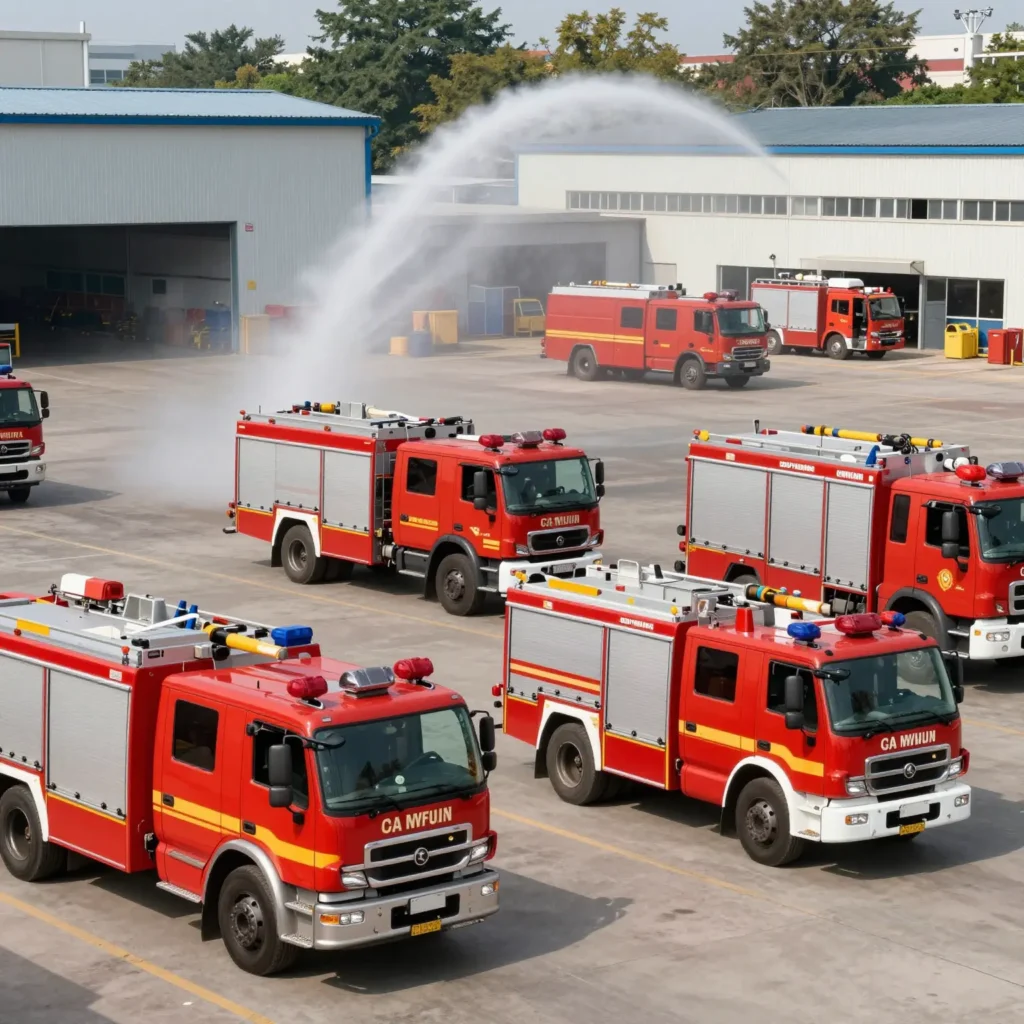
Introduction to Fire Apparatus
Fire apparatus comprises specialized vehicles and equipment designed to fight fires and perform rescue operations. Essential to public safety, these apparatuses are not only employed by fire departments, but also play a critical role in various industries such as construction, manufacturing, and oil and gas. Each industry requires specific types of fire apparatus to tackle unique fire hazards and ensure safety protocols are adhered to. For example, in the construction sector, fire trucks equipped with aerial capabilities can help manage fires in high-rise buildings, while in the oil and gas industry, tanker fire trucks are crucial for handling incidents involving flammable liquids.
Understanding the different fire apparatus systems available can significantly benefit businesses by enhancing their fire risk management strategies. By investing in specialized vehicles and equipment, businesses can ensure a higher level of preparedness, ultimately safeguarding their assets and personnel. Moreover, by aligning their fire safety practices with industry standards and regulations, companies can mitigate financial risks associated with fire-related incidents and cultivate a culture of safety. For a comprehensive look at various fire apparatus options, including fire rescue trucks and fire tankers, it’s essential for business owners to engage with fire safety professionals and understand their specific needs.
Overview of Fire Apparatus Types
Fire safety is a paramount concern for any business, and understanding the various types of fire apparatus can greatly enhance preparedness and response. Fire apparatus refers to the specialized vehicles used by fire services to combat fires, execute rescues, and perform emergencies efficiently. Here’s a breakdown of the main types of fire apparatus:
1. Fire Engines and Fire Trucks
Often, the terms “fire engine” and “fire truck” are used interchangeably, but they serve distinct purposes:
- Fire Engines: These vehicles are equipped with water pumps, hoses, and storage for firefighting equipment, primarily designed to deliver water to extinguish fires efficiently. They are typically the first units to respond to incidents and often play a crucial role in initial attack strategies.
- Fire Trucks: While also critical in firefighting, these vehicles focus more on rescue operations and have platforms or ladders that allow firefighters to reach higher areas. Fire trucks carry tools for ventilation, rescue, and other operations after the initial attack has started. For additional details, learn more about the differences.
2. Specialized Vehicles
In addition to standard fire engines and trucks, fire services deploy specialized vehicles tailored for specific roles:
- Aerial Apparatus: Equipped with extendable ladders and aerial platforms, these vehicles are essential for tackling high-rise fires and performing rescues from elevated locations. They often carry specialized tools and equipment for advanced firefighting techniques.
- Tankers: Critical in areas where fire hydrants are sparse, tankers carry large volumes of water and can supply engines at remote locations. They are vital for rural and suburban firefighting efforts.
- Rescue Vehicles: These smaller trucks are designed for patient transport, medical emergencies, and rescue operations, focusing on providing aid quickly and effectively in diverse environments.
- Wildland Fire Apparatus: Optimized for fighting wildfires, these vehicles can navigate rough terrains and typically carry specialized water tanks and pumps.
Conclusion
Understanding the different types of fire apparatus is essential for business owners to appreciate the resources available for fire protection and safety. This knowledge not only helps in complying with fire safety regulations but also enhances overall preparedness for emergencies. For detailed insights into purchasing or utilizing fire apparatus, explore various municipal fire vehicles. Their design influences efficiency and effectiveness in responding to evolving fire challenges.
Key Regulations Governing Fire Apparatus Usage in Businesses
As business owners, it’s crucial to understand the regulations and standards that govern fire apparatus usage. These regulations not only ensure safety but also compliance with legal requirements in various jurisdictions. This article summarizes the key standards set forth by the National Fire Protection Association (NFPA) and other relevant authorities.
NFPA Standards
The NFPA sets crucial standards for the design and operation of fire apparatus used in various sectors. Below are some of the key standards:
| NFPA Standard | Focus Area | Description | Source |
|---|---|---|---|
| NFPA 1900 | Fire Apparatus and Automotive Ambulances | Covers the requirements related to fire apparatus and ambulances used by fire services. | NFPA 1900 Overview |
| NFPA 1901 | Automotive Fire Apparatus | Provides minimum requirements for the design and performance of fire apparatus. | NFPA 1901 Overview |
| NFPA 1002 | Fire Apparatus Driver/Operator Qualifications | Specifies qualifications required for drivers and operators of fire apparatus. | NFPA 1002 Overview |
| NFPA 1451 | Fire Service Vehicle Operations Training | Sets guidelines for training and operation of personnel using fire service vehicles. | NFPA 1451 Overview |
These standards are essential for ensuring that fire apparatus are properly designed, maintained, and operated, helping to minimize risks associated with fire emergencies.
Importance of Compliance
Non-compliance with these regulations can result in serious consequences for businesses, including legal liabilities, increased insurance costs, and compromised safety for employees and customers. Key points to consider:
- Training: Ensure all personnel are trained according to NFPA 1451 guidelines to operate fire apparatus effectively.
- Regular Inspections: Adhere to NFPA 1901 mandates for regular inspections and maintenance of fire apparatus to ensure operational capability.
- Documentation: Maintain accurate records of training, inspections, and compliance efforts to demonstrate adherence to NFPA standards.
Conclusion
Understanding and complying with fire apparatus regulations is not just a legal obligation but also a commitment to safety and preparedness within your business. By adhering to NFPA standards and implementing best practices, you can enhance the safety of your operations and protect your team and customers. For more information on fire apparatus options, you can explore our range of fire-rescue products. Additionally, for emergency vehicle safety initiatives, refer to resources from USFA.
Visualizing NFPA Standards
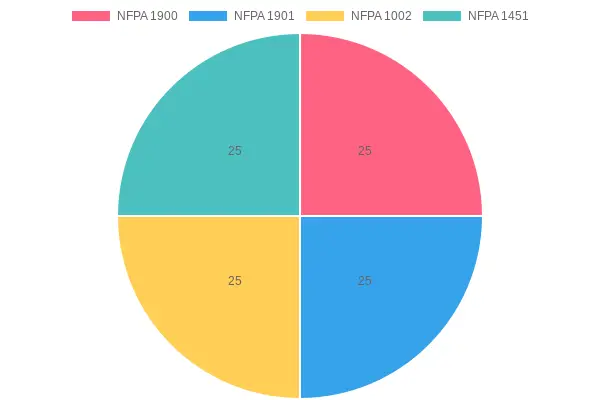
Understanding the distribution of these standards aids in comprehending their relative importance in fire apparatus regulations.
By staying informed about these vital regulations, business owners can ensure that their fire safety measures are both effective and compliant.
| Fire Apparatus Type | Features | Uses | Typical Cost |
|---|---|---|---|
| Pumper | Equipped with water pumps, hoses, and tanks | General firefighting | $300,000 – $500,000 |
| Aerial | Includes ladders or platforms for height | Rescuing people, accessing high places | $500,000 – $1,500,000 |
| Tanker | Carries large amounts of water | Supplying water in remote areas | $400,000 – $800,000 |
| Wildland | Off-road capabilities, often lighter | Fighting forest fires | $250,000 – $700,000 |
| Rescue | Special equipment for saving lives | Emergency rescues | $300,000 – $800,000 |
| Fire Engine | Focused on fire suppression capabilities | Primarily pumping water to fires | $300,000 – $1,000,000 |
For further details regarding fire apparatus, you can learn more about different fire-apparatus styles here. Additionally, for municipal uses, check out municipal fire equipment.
Understanding Fire Apparatus: An In-Depth Look for Business Owners
Firefighting and rescue operations rely heavily on specialized vehicles or equipment known as fire apparatus. Each type of fire apparatus serves specific operational capabilities geared towards effective fire management and rescue missions. This guide will explore different types of fire apparatus, including their design features and use cases tailored to the business sector.
1. Pumper Fire Apparatus
The pumper truck is perhaps the most recognized type of fire apparatus. Designed primarily for firefighting, pumpers deliver water to extinguish fires and often include a variety of other features to aid in rescue efforts.
Operational Capabilities
- Water Delivery: Capable of delivering large volumes of water through hose systems.
- Fire Suppression: Equipped with powerful pumps that can draw from nearby water sources or onboard tanks.
- Rescue Operations: Many pumpers are outfitted with tools for basic rescue work, making them versatile in emergency situations.
Design Features
- Water Pump: High-capacity pumps designed to operate efficiently under pressure.
- Hose Reels and Nozzles: Allow rapid deployment of water lines, critical for urgent fire scenarios.
- Storage Compartments: Space for firefighting tools, rescue equipment, and EMS gear.
Specific Use Cases
- Ideal for urban firefighting where quick response times to structural fires or vehicle accidents are necessary.
- Often the first responders to a fire, making quick access to hoses and tools essential.
Learn more about Pumper trucks.
2. Tanker Fire Apparatus
The tanker truck is specifically designed for transporting large amounts of water to areas without established hydrant systems, making it essential for rural firefighting operations.
Operational Capabilities
- Water Transport: Holds thousands of gallons of water, critical for sustained firefighting efforts.
- Quick Deployment: Can set up water supply quickly in remote locations.
- Supplementary Support: Works alongside other firefighting units by providing water where needed.
Design Features
- Large Water Tanks: Ranging from 1000 to over 3000 gallons.
- Pumping Systems: Capable of delivering water directly from the tank to hose lines.
Specific Use Cases
- Rural areas where traditional hydrants are not available.
- Emergency response to forest fires or large brush fires in agricultural sectors.
Explore Tanker specifications.
3. Aerial Fire Apparatus
Aerial fire apparatus are crucial for combating fires at height and assisting in rescue operations from elevated positions such as high-rise buildings.
Operational Capabilities
- Elevated Firefighting: Ladders that can reach significant heights, offering strategic advantages.
- Rescue Operations: Capable of executing rescues in hard-to-reach places.
Design Features
- Ladders and Platforms: Extendable features that allow firefighters access to rooftops or elevated structures.
- Integrated Technology: Systems for monitoring hazards and operational support.
Specific Use Cases
- Essential for responding to fires in skyscrapers or multi-story buildings.
- Often employed in urban settings for crowded environments.
Dive deeper into Aerial fire apparatus.
4. Rescue Fire Apparatus
The rescue apparatus focuses on specialized equipment for technical rescues, emergencies, and medical assistance.
Operational Capabilities
- Technical Rescues: Equipped to handle complex rescues from vehicles, heights, or confined spaces.
- Emergency Medical Services: Some rescue units include EMS equipment to provide immediate care.
Design Features
- Storage for Rescue Equipment: Spaces designated for hydraulic tools, ropes, and medical supplies.
- Ergonomic Designs: Built to minimize physical strain on rescuers during operations.
Specific Use Cases
- Used primarily during incidents where injuries are present, such as vehicle accidents or structural collapses.
- Vital for businesses involved in construction or industrial operations where rescue scenarios are likely.
Find out more about Rescue apparatus.
Conclusion
Understanding the specific capabilities and design features of various fire apparatus can significantly impact how businesses manage fire safety and emergency preparedness. Investing in the right type of apparatus is crucial for ensuring effective responses to emergencies, thus safeguarding lives and property in the business sector. Consider each type of fire apparatus to make informed decisions for enhancing your emergency response plan.
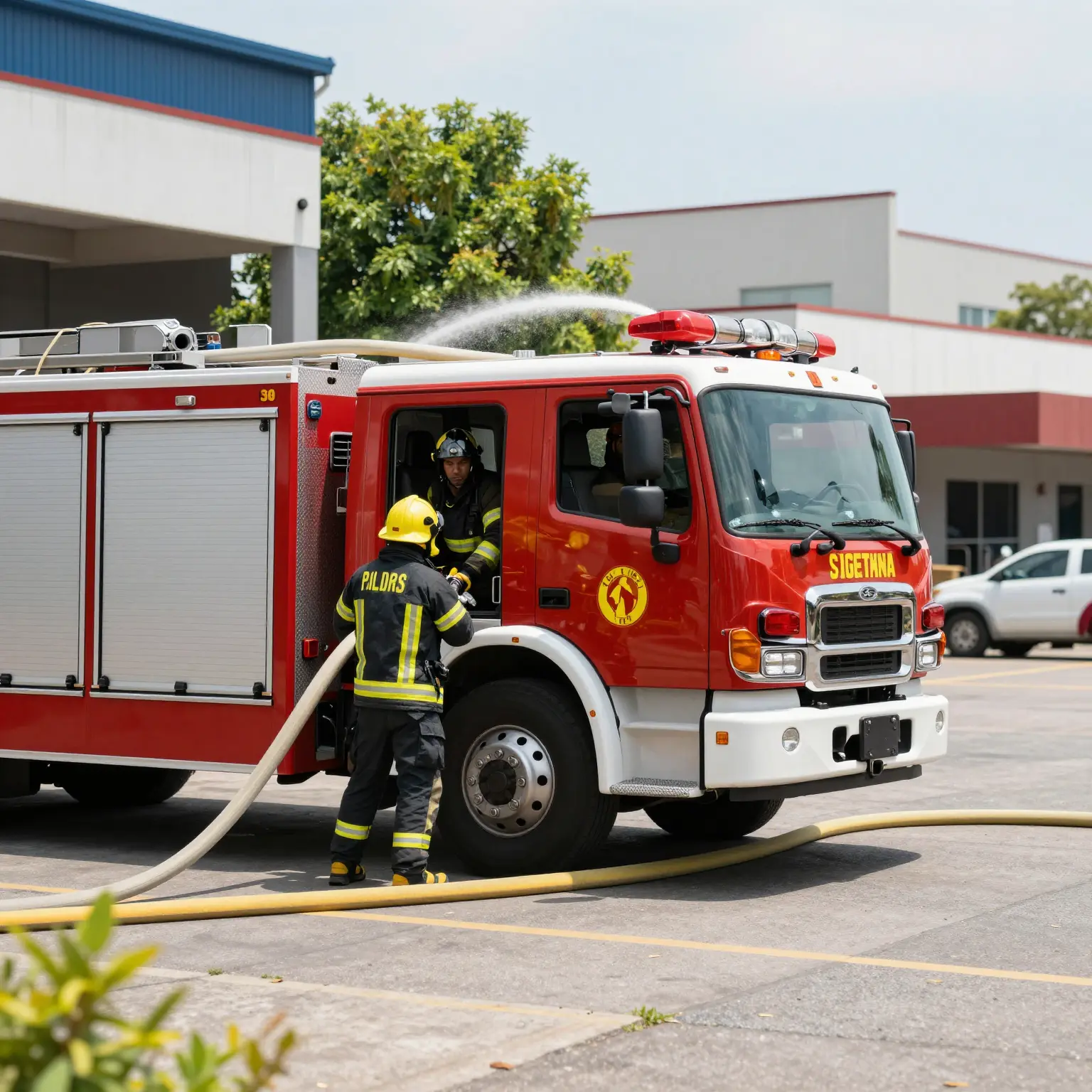
Enhancing Safety and Compliance through Modern Fire Apparatus Systems
In today’s fast-paced business environment, the safety and efficiency of operations are paramount. Businesses that adopt modern fire apparatus systems are not only investing in advanced technology but also reaping significant improvements in safety and compliance. Here’s a closer look at how these systems enhance operational efficiency through data-driven insights and real-world examples.
1. Response Time Improvement
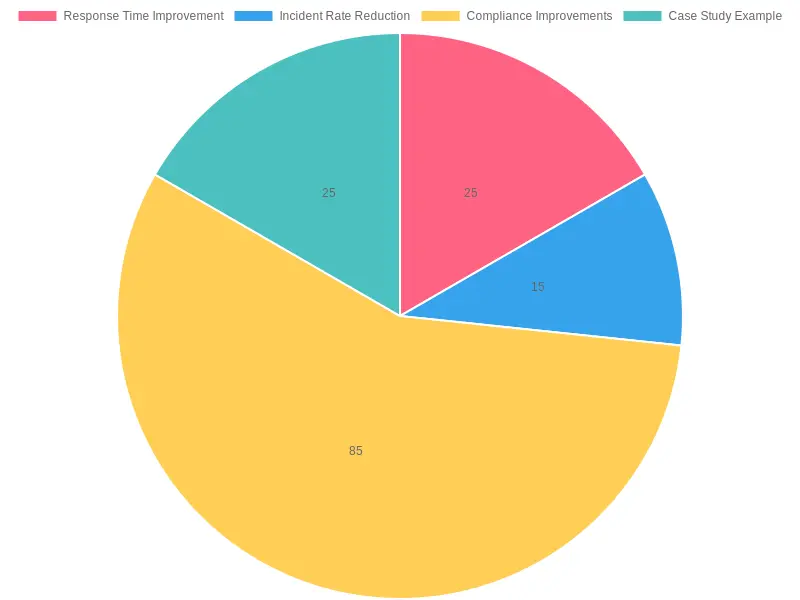
According to industry reports, organizations utilizing modern fire apparatus have seen response times decrease by 20-30% in urban settings. This significant reduction allows businesses to respond more quickly to incidents, potentially saving lives and minimizing property damage.
2. Incident Rate Reduction
The implementation of cutting-edge fire systems has led to a remarkable 15% reduction in fire-related incidents among adopting companies. These systems not only enhance firefighting capabilities but also integrate preventive measures that lead to overall safer environments.
3. Enhanced Compliance
Compliance with safety regulations is crucial for businesses, particularly those in high-risk industries. A survey revealed that 85% of organizations experienced improved compliance with safety standards after upgrading their fire apparatus systems. This commitment to safety not only mitigates risks but also aligns with regulatory mandates, thus preventing potential fines and legal issues.
4. Case Study Example
One compelling case study involves Company X, which adopted an advanced fire apparatus system in 2023 and reported a 25% reduction in emergency response times. This upgrade not only improved operational capabilities but also led to heightened safety awareness among employees, fostering a culture of safety within the organization.
Summary of Findings
| Category | Data |
|---|---|
| Response Time Improvement | Modern systems can reduce response times by up to 20-30% in urban environments. |
| Incident Rate Reduction | Businesses reported a 15% decrease in fire-related incidents after implementation. |
| Compliance Improvements | 85% of businesses saw improved compliance with safety regulations post-upgrade. |
| Case Study Example | Company X reduced emergency response times by 25% after adopting advanced infra. |
| Year of Study | 2023 |
Visual Insights
This pie chart summarizes the impact of modern fire systems on business efficiency:
In conclusion, the adoption of modern fire apparatus systems introduces a multitude of benefits, including enhanced safety, improved compliance, and operational efficiencies. With quantifiable improvements in response times and incident reduction, business owners should consider these systems as essential components of their safety strategies. For more information on the latest fire apparatus options, check out our fire rescue equipment.
The Importance of Investing in Fire Safety Technology
Investing in fire apparatus technology is crucial for business owners to ensure safety and preparedness in case of emergencies. As highlighted by industry experts, “Modern fire protection equipment has evolved with technology, highlighting the need for proactive investments in fire safety systems capable of early detection and real-time alerts.” This emphasizes the significance of not only having the right equipment but also continuously updating it to meet modern safety standards.
For those interested in fire safety solutions, CRRC Vehicles offers a range of fire rescue products designed for effectiveness and reliability.
Image emphasizing the importance of modern fire safety equipment.
By investing in advanced fire apparatus, businesses can better protect their property, employees, and customers from potential fire hazards. The use of technology in fire safety not only contributes to risk reduction but also can enhance the overall response time during emergencies.
Best Practices for Fire Apparatus Investments
Investing in fire apparatus is a crucial decision for any business, particularly for those dealing with public safety, emergency response, or heavy industry. Below are some best practices to ensure such investments are both effective and compliant with current regulations.
1. Understand Regulatory Compliance
Ensuring compliance with regulatory standards is essential when investing in fire apparatus. Familiarize yourself with the latest National Fire Protection Association (NFPA) standards, particularly NFPA 1901, which outlines specifications for fire apparatus. Compliance with these standards not only meets legal requirements but also increases the safety of your team and community. For guidance, check out this NFPA 1901 to NFPA 1900 resource.
2. Choose Qualified Technicians
Regular maintenance is vital for the longevity of fire apparatus. Ensure that repairs and maintenance are performed by certified Emergency Vehicle Technicians (EVTs). Proper training is fundamental to effective maintenance; without it, your apparatus could fall short of compliance standards. Consider reviewing resources such as this article on finding qualified technicians.
3. Maintain a Detailed Log
Keeping a detailed maintenance log is crucial for tracking inspections, repairs, and compliance checks. This ensures consistent data collection across equipment and departments, which is essential for effective management. You can utilize a fire apparatus maintenance log template to streamline this process.
4. Conduct Regular Inspections
Regular inspections of fire apparatus not only ensure equipment reliability but also help identify potential issues before they become significant problems. Establish a schedule for inspections to ensure compliance with NFPA regulations and prolong the lifespan of your apparatus.
5. Budget for Upgrades and Maintenance
Fire apparatus technology constantly evolves, and staying up-to-date with the latest equipment can enhance safety and effectiveness. Allocate budgetary resources for routine maintenance, necessary upgrades, and training for team members to handle newer technologies effectively.
6. Educate Your Team
Training your staff on the proper use and maintenance of fire apparatus is essential. Regular training sessions should be scheduled to keep everyone updated on compliance requirements, safety protocols, and operational procedures.
Conclusion
Investing in fire apparatus requires careful consideration of regulatory compliance, maintenance, and technological advancements. By following these best practices, your business can ensure both the effectiveness and safety of your fire apparatus investments.
For more insights into fire apparatus options and their specifications, explore our selection of fire-rescue vehicles on our website.
Conclusion
In the ever-evolving landscape of fire safety, understanding the critical role of fire apparatus is paramount for business owners. These specialized vehicles are not just tools; they are lifesavers that enhance operational efficiency and ensure the well-being of your employees and the public. As discussed in this article, the integration of advanced technologies-such as smart systems and sustainable designs-has revolutionized the fire apparatus industry, making it essential for businesses to stay ahead of these innovations.
The adoption of alternative fuels, IoT connectivity, and real-time diagnostics sets the foundation for the next generation of firefighting equipment. This technological shift not only improves response times during emergencies but also contributes to cost savings and sustainability. For instance, modular and customizable fire vehicles allow businesses to tailor their apparatus to specific operational needs, enhancing both safety and effectiveness.
Furthermore, as highlighted by various industry sources, the focus on improving firefighter safety through better design and technology is a trend that cannot be ignored. Companies eager to adopt these advancements will be well-positioned to meet the increasing demands of both customers and regulatory standards.
Now is the perfect time for business owners to invest in high-quality fire apparatus that aligns with innovation and safety standards. Partnering with CCIG can provide you with the latest in fire apparatus technology that ensures not just compliance, but a proactive stance on safety. Let us help you safeguard your business and foster a culture of safety and responsiveness.
Take the next step towards enhancing your business’s fire safety by reaching out to us. Join hands with CCIG and be a part of the future of fire apparatus solutions.