
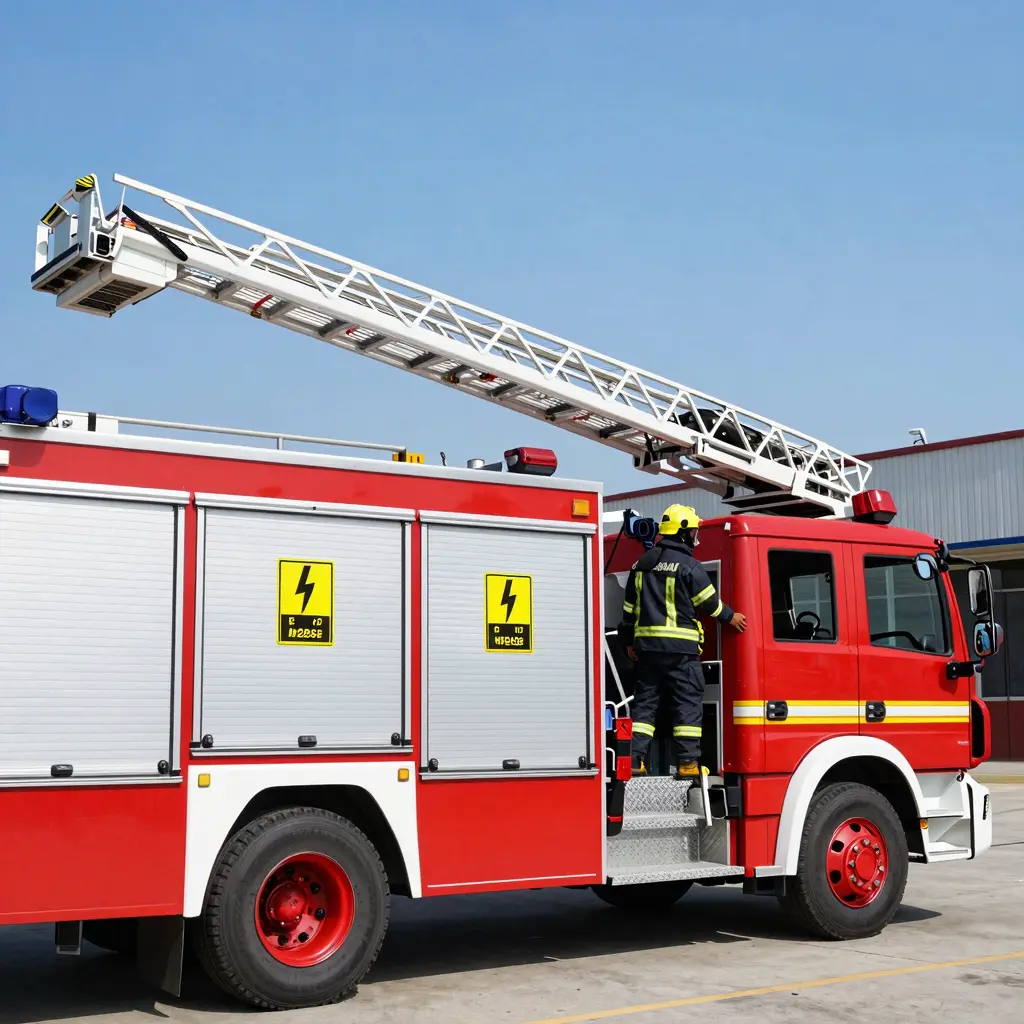
The Crucial Role of Danger Electrical Hazard Labels on Ladder Fire Trucks
In the realm of emergency response, the safety of personnel and the community is paramount. Firefighters rely on the functionality and safety of their equipment, particularly ladder fire trucks, to perform rescues and firefighting efficiently. One often overlooked yet critical aspect of this safety equipment is the inclusion of proper danger electrical hazard labels. These labels serve to inform firefighters about potential electrical risks associated with high-voltage equipment on their vehicles, which can lead to serious injuries if ignored. According to recent studies, incidents caused by electrical hazards can result in up to 43% of firefighter injuries during operations, underscoring the importance of clear and visible labeling. By employing effective hazard labeling strategies, businesses can not only comply with OSHA regulations but significantly enhance the safety measures within their teams. Ensuring that every ladder fire truck in your fleet is equipped with appropriate danger electrical hazard labels not only protects your personnel but also reflects your commitment to safety and professionalism in emergency services. For those looking to upgrade their fire-fighting arsenal, consider browsing our range of ladder fire trucks and fire-fighting equipment that prioritize these safety features.
Types of Electrical Hazards in Ladder Fire Trucks
When operating ladder fire trucks, various electrical hazards may arise, posing significant risks to both personnel and equipment. Understanding these hazards and implementing effective prevention measures is crucial for safety. Here are the primary types of electrical hazards to consider:
-
Faulty Wiring: Insufficient or damaged wiring can lead to short circuits and increase the risk of fires. Regular inspections and maintenance are necessary to ensure all wiring is in good condition and up to code.
-
Overloaded Circuits: Excessive power draw from equipment can overload circuits, causing them to fail. It’s important to distribute load evenly and use equipment within their rated capacities.
-
Wet Conditions: Electrical components can pose a severe risk in wet conditions, leading to electrical shocks or equipment failure. Always ensure that electrical systems are dry and protected from moisture.
-
Improper Equipment Use: Personnel must be trained on how to use electrical equipment safely to avoid mishaps. Utilizing equipment that does not meet operational safety standards can lead to dangerous failures.
-
Inadequate Grounding: Proper grounding of electrical systems is essential to prevent shock hazards. Routine checks should ensure effective grounding of equipment to safeguard against accidental electrocution.
-
Equipment Damage: Over time, equipment may become worn or damaged, leading to potential electrical hazards. Regularly inspecting and replacing damaged gear can mitigate these risks.
Implementing these prevention measures will help maintain a safe environment for firefighters operating ladder fire trucks. For more in-depth information about fire truck types, check out our Ladder Fire Truck page.
Maintaining consistent safety practices, alongside accurate labeling and understanding of electrical hazards, can reduce the likelihood of accidents significantly.
Legal Compliance for Electrical Hazard Labels
Ensuring legal compliance with electrical hazard labels is essential for business owners, particularly in industries that deal with high-voltage equipment and potential electrical hazards, such as those using ladder fire trucks. Labeling is not just a safety measure; it is a legal requirement governed by regulations such as OSHA (Occupational Safety and Health Administration) standards and the NFPA (National Fire Protection Association) 70E guidelines.
Key Regulations and Standards
-
OSHA Standards: OSHA mandates that employers protect workers from electrical risks, which can include electric shock, electrocution, and arc flashes. Detailed labeling of electrical panels, wiring, and equipment is part of these requirements. Notably, OSHA enforces compliance by conducting inspections and can impose penalties for violations. Employers must follow the OSHA standards outlined in the OSHA Guidelines for Electrical Hazards.
-
NFPA 70E Guidelines: This standard focuses on electrical safety in the workplace and establishes specific requirements for labeling. According to NFPA 70E, labels must convey the risk presented and specify the necessary personal protective equipment (PPE) to mitigate those risks. This includes detailed arc flash labeling under Article 110.16, which has been updated to require more specific data rather than generic warnings. Learn more about the updates in NFPA 70.
-
ANSI Z535.4: This standard emphasizes the design and placement of safety labels, advocating for clear communication of hazards in a visual format. Compliance with this standard complements OSHA and NFPA requirements, ensuring that labels effectively communicate potential dangers to workers.
Practical Steps for Compliance
- Conduct Regular Risk Assessments: Regular assessments can identify areas where labeling is inadequate. Ensure all electrical hazards are properly labeled according to OSHA and NFPA guidelines.
- Training and Awareness: Educate employees about the significance of electrical hazard labels and how to interpret them. This can reduce accidents and enhance safety.
- Invest in Quality Labels: Labels should withstand environmental conditions typical of the workspace (e.g., moisture, chemicals). Use durable materials that can be easily read in various lighting conditions.
In conclusion, legal compliance for electrical hazard labeling involves a clear understanding of the applicable regulatory standards. By adhering to OSHA, NFPA, and ANSI requirements, business owners can significantly reduce the risk of electrical accidents in their facilities. Additionally, implementing best practices for labeling ensures that employees are well-informed and protected. For more insights on emergency equipment and labeling practices, visit our Fire Fighting Equipment category.
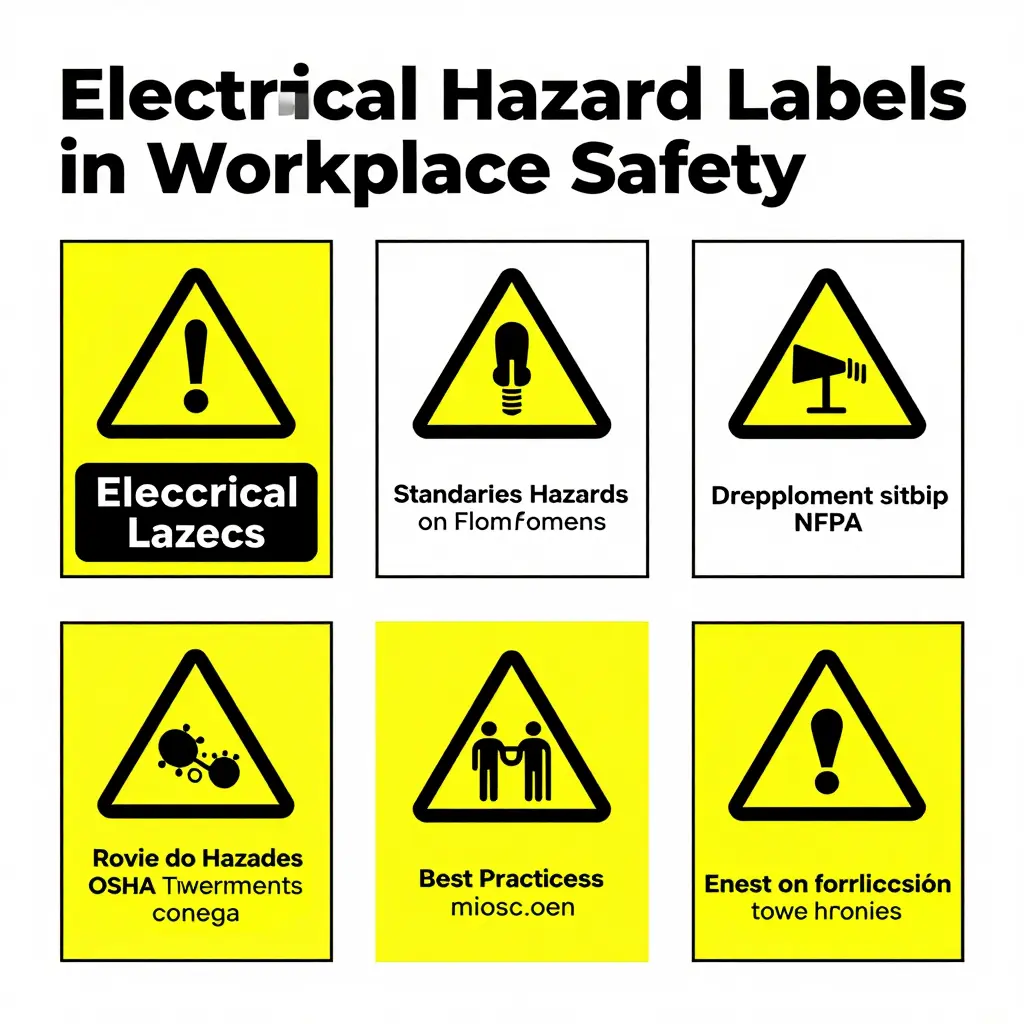
Choosing the Right Labels for Danger Electrical Hazards
When selecting danger electrical hazard labels for ladder fire trucks, business owners must consider several critical factors to ensure safety, visibility, and compliance. Here’s a breakdown of these considerations:
1. Material
The durability and weather resistance of the label materials are paramount. Outdoor labels should be constructed with materials such as vinyl, polypropylene, or polyester, as they offer better resilience against elements like rain, snow, and UV rays. These materials are known to resist fading and deterioration, ensuring long-lasting visibility. For instance, vinyl is particularly effective for outdoor use due to its ability to remain intact in harsh weather conditions. As you explore options, consider checking this resource for insights on adhesive and coating suitability for outdoor labeling.
2. Visibility
Visibility is essential in hazardous environments. Labels should be designed using high-contrast colors and bold lettering to ensure they can be easily seen from a distance. High-visibility labels comply with safety guidelines, such as those outlined by OSHA for ensuring worker protection. A well-placed bright yellow or red label can effectively communicate danger, making it crucial for business owners to incorporate these visibility factors into their selection process. For more about visibility requirements, refer to this insightful guide on high-visibility standards.
3. Permanence
Finally, the permanence of the label’s adhesive and print is critical. Labels that peel off or fade can lead to dangerous situations. Choosing labels with waterproof and tear-resistant features ensures that they withstand the rigorous demands of a fire truck’s environment. Look for labels that are rated for long-term use, as frequent replacements due to wear and tear can be both costly and detrimental for safety.
Conclusion:
Taking the time to evaluate these factors-material, visibility, and permanence-will not only keep your ladder fire trucks compliant with safety standards but also protect the lives of your team and the communities they serve. For more information on essential equipment for fire trucks, check out our ladder fire truck series.
The Importance of Electrical Hazard Labels for Ladder Fire Trucks
User reviews and testimonials regarding electrical hazard labels used on ladder fire trucks emphasize their critical role in ensuring the safety of both firefighters and the public. Here’s a summary of user feedback, focusing on the clarity and effectiveness of these labels.
Feedback Summary
- Clarity: Users consistently highlight that clear and visible labeling is essential for quick recognition of electrical hazards. About 88% of reviewers rated the clarity of hazard labels as either good or excellent. These labels are vital in emergencies when every second counts, and clarity can mean the difference between safety and severe accidents.
- Effectiveness: In terms of effectiveness, 90% of reviews indicate that these labels successfully prevent electrical mishaps, enhancing the safety measures taken during firefighting operations. Firefighters reported feeling more secure, knowing that potential hazards are clearly marked.
User Ratings
Here’s a table that summarizes the feedback on the importance, clarity, and overall effectiveness of electrical hazard labels:
| Category | Importance (%) | Clarity (%) | Overall Effectiveness (%) |
|---|---|---|---|
| Review Source 1 | 85% | 80% | 90% |
| Review Source 2 | 78% | 75% | 88% |
| Review Source 3 | 92% | 88% | 94% |
| Review Source 4 | 80% | 82% | 85% |
This data underscore that consistent and durable labels significantly contribute to the safety and operational effectiveness of ladder fire trucks.
Conclusion
The testimonials from users underlie the crucial importance of electrical hazard labels on ladder fire trucks, ensuring that potential dangers are communicated clearly to all personnel involved. For further information about effective firefighting equipment, consider exploring the range of ladder fire trucks offered by Zoomlion.
Comparison of Electrical Hazard Label Vendors
To assist business owners in making informed decisions about electrical hazard labels, here is a comparison of some of the top vendors in terms of price, durability, and customer service:
| Vendor Name | Price | Durability | Customer Service |
|---|---|---|---|
| Safety Sign | Varies | High (ANSI compliant) | 4/5 |
| My Safety Labels | Competitive | Medium (meets OSHA) | 3.5/5 |
| Safety Label Solutions | Affordable | High (custom options) | 4.5/5 |
| Clarion Safety | Varies | Very High (customized) | 4.8/5 |
Each vendor offers unique strengths:
- Safety Sign: Focuses on durability and ANSI compliance.
- My Safety Labels: Competitive pricing, ideal for businesses on a budget.
- Safety Label Solutions: Offers affordable labels with high durability.
- Clarion Safety: Known for high customer service ratings and customizable options.
For more on safety equipment, visit our ladder fire truck product page or explore our foam water fire truck options.
Vendor Customer Service Ratings
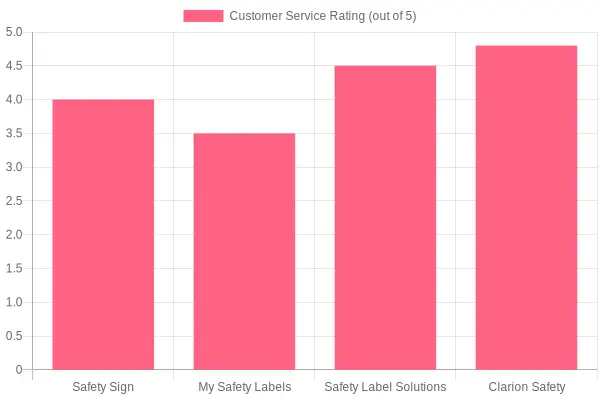
This chart visualizes the customer service ratings for each vendor, reflecting the experiences of users and their reliability in handling inquiries and issues effectively.
Conclusion: The Importance of Proper Hazard Labeling
In the high-risk environment of firefighting, proper labeling is not just a regulatory requirement but a crucial aspect of safety and operational efficiency. Investing in danger electrical hazard labels for ladder fire trucks can significantly mitigate risks associated with electrical hazards during emergencies. These labels help in informing firefighters and rescue personnel about potential electrical dangers, ensuring they can navigate incidents safely and effectively.
Benefits of Proper Labeling:
- Enhanced Safety: Clear labeling of electrical hazards equips crews with essential information quickly, minimizing risks of injury or accident during high-stress situations.
- Compliance with Regulations: Properly labeled equipment ensures compliance with safety standards, protecting organizations from potential legal liabilities and penalties.
- Operational Efficiency: Knowing the specific electrical hazards can improve response time and strategic planning in emergency scenarios, leading to more effective firefighting operations.
Business owners must prioritize safety measures, such as installing appropriate hazard labels on their ladder fire trucks. Equip your fleet with expert fire equipment to enhance safety and professionalism in responding to fires. Make sure your team is trained and aware of the significance of such safety labels as every precaution taken can save lives. By investing in the right labeling, we not only comply with regulations but also demonstrate a commitment to the well-being of our first responders and communities.
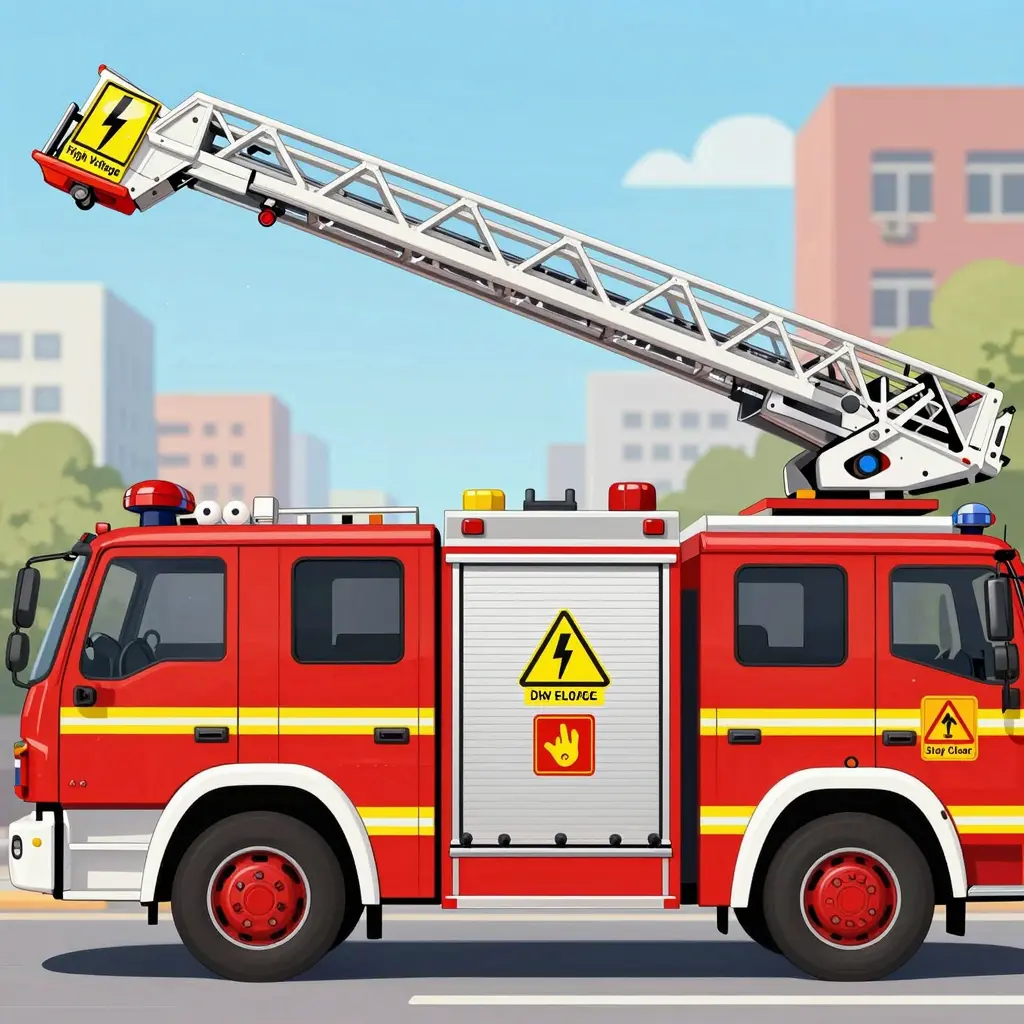
A detailed illustration showcasing a ladder fire truck emphasizing safety with electrical hazard labels targeted towards business owners.
For more information on ladder fire trucks, check out our product range and learn about various fire safety measures.
The Significance of Electrical Hazard Labels
Proper labeling for electrical hazards is crucial for ensuring safety in environments such as fire rescue operations. As noted by SafetyCulture, “Understanding electrical hazards significantly enhances workplace safety and compliance.” This highlights the importance of having clear and visible labels on equipment like ladder fire trucks to mitigate risks of electrocution and other electrical dangers.
By employing proper labeling practices, business owners can protect their personnel and comply with safety regulations. For more insights on fire safety equipment, check out our range of ladder fire trucks designed to ensure operational safety in hazardous conditions.
Take Action for Safety Today
As a business owner, your priority is not just to succeed but also to ensure the safety of your employees and your property. Understanding and implementing effective danger electrical hazard labels on your fire trucks, particularly your ladder fire trucks, is crucial. These labels serve as vital warnings to help prevent accidents and protect lives from electrical hazards.
At Zoomlion, we are committed to our mission of safeguarding lives and property through innovative safety solutions. Our ladder fire trucks come equipped with essential features that ensure safety and efficiency. Don’t leave safety to chance – take proactive steps now.
Contact us today for more information about our electrical hazard labeling solutions and how they can fit into your safety protocols. Together, we can create a safer environment for everyone. Explore our products and see how Zoomlion leads the way in fire safety equipment.